Stop Judging the Fire and Start Understanding the Burn
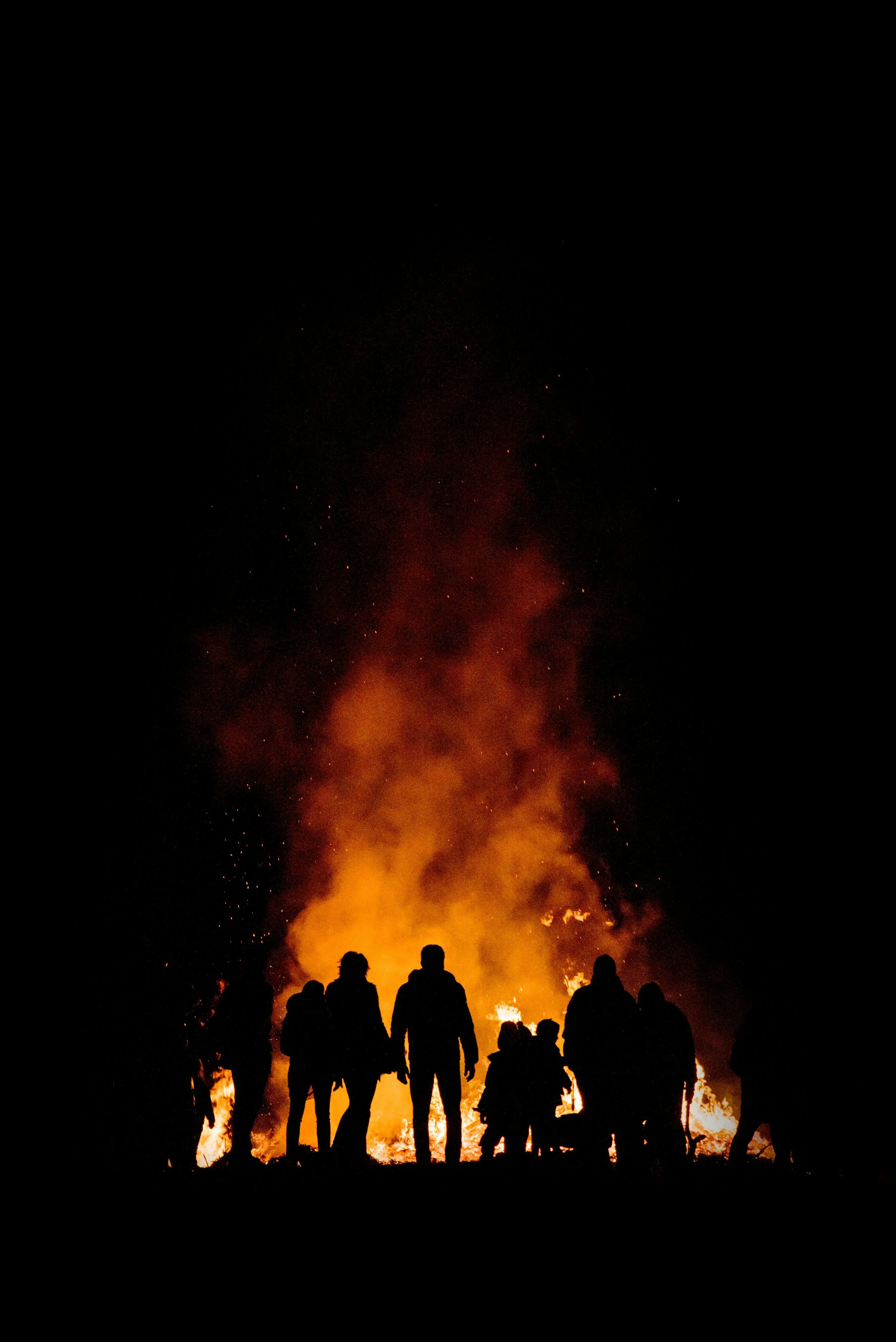
One of the easiest things in the world to do is judge people.
It’s easy to look at someone’s life from a distance and think, What were they thinking? It’s easy to see the addict and call them weak. It’s easy to see the prisoner and call them a criminal. It’s easy to see the angry person and label them toxic. It’s easy to see the person who keeps making bad decisions and assume they’re simply foolish, lazy, irresponsible, or beyond help.
If I’m honest, I’ve caught myself doing it too.
I’ve looked at people and assumed I knew their story. I’ve made quick judgments based on behavior. I’ve gotten frustrated with someone’s choices without understanding their pain. And every time I do, Jesus reminds me how patient He has been with me. Because if God only looked at my worst moments, He would have had every reason to walk away from me too.
The truth is most of us are experts at diagnosing behavior and amateurs at understanding pain. And that’s a problem.
Because if we’re serious about living out Jude 23, if we’re serious about rescuing others by snatching them from the fire, then we must learn to see people the way Jesus saw people. Not as problems to solve. Not as projects to fix. Not as labels to assign. But as people made in the image of God whose lives often tell a much deeper story than what we see on the surface.
One of the greatest lessons I’ve learned in ministry is that very few people wake up in the morning hoping to wreck their lives. Most people aren’t trying to destroy their marriage. Most people aren’t trying to become addicted. Most people aren’t trying to push away everyone who loves them. Most people aren’t intentionally sabotaging their future.
What they’re often doing is responding to pain they don’t know how to process.
Pain has a way of demanding an outlet. It doesn’t politely sit in the corner waiting to be addressed. It leaks. It erupts. It manifests itself in ways that often confuse the people around us. Sometimes pain becomes addiction. Sometimes pain becomes anger. Sometimes pain becomes workaholism. Sometimes pain becomes isolation. Sometimes pain becomes control. Sometimes pain becomes perfectionism. Sometimes pain becomes self-destruction.
What we often call rebellion is sometimes desperation wearing a disguise. What we call weakness is often someone carrying wounds they’ve never healed from. What we call failure is often someone who has simply run out of hope.
The behavior may be wrong. The choices may be destructive. But if all we see is behavior, we’ll miss the deeper story. And if we miss the story, we’ll never become rescuers.
Recently I had the privilege of spending time inside Wilmot Prison in Tucson through our partnership with God Behind Bars. That day will stay with me for a long time.
I worshipped alongside about 85 inmates. Men from all different backgrounds. Men who had made mistakes. Men carrying regrets. Men living with consequences. But what struck me wasn’t their criminal record. It was their humanity.
I listened to their stories. I shook their hands. I looked into their eyes. One man talked about the years he had lost. Another talked about family relationships he wished he could rebuild. Others simply expressed gratitude that someone showed up, listened, and saw them as people instead of inmates.
As I drove away that day, I couldn’t stop thinking about how easy it is to reduce people to the worst chapter of their story. Yet that’s not what Jesus does.
What I saw that day were fathers. Sons. Men carrying deep regret. Men longing for hope. Men wanting someone to believe they were more than the worst thing they had ever done.
And it reminded me of something we often forget. The way we see people determines the way we treat people.
If all we see is a criminal, we’ll treat them like a criminal. If all we see is an addict, we’ll treat them like an addict. If all we see is a problem, we’ll treat them like a problem. But if we see someone Jesus died for, everything changes.
““The way we see people determines the way we treat people.” ”
COMPASSION BEGINS WHERE JUDGMENT ENDS
One of the reasons Jesus changed so many lives is because He saw what everybody else missed. Everyone saw a tax collector. Jesus saw a disciple. Everyone saw a prostitute. Jesus saw a daughter. Everyone saw a demon-possessed man living among the tombs. Jesus saw a man worth rescuing. Everyone saw a Samaritan woman with a complicated past. Jesus saw someone thirsty for living water.
While everyone else was fixated on behavior, Jesus was focused on the heart. He understood that pain often sits underneath the choices people make. That doesn’t mean He excused sin. It means He looked deeper than sin. He saw the person trapped beneath it. And that’s what rescuers do. Rescuers look past the smoke and search for the person trapped inside the fire.
One of the most practical ways we become rescuers is by learning to ask better questions. Most people ask, What’s wrong with you? Rescuers ask, What happened to you? That question changes everything.
It changes how we see our spouse. It changes how we see our teenager. It changes how we see the coworker who keeps lashing out. It changes how we see the neighbor who always seems angry. It changes how we see the person trapped in addiction. It shifts us from criticism to curiosity. From condemnation to compassion. From judgment to understanding.
““Most people ask, What’s wrong with you? Rescuers ask, What happened to you? “”
And understanding creates opportunities for rescue.
Can I be even more real with you for a moment? I think many men are drowning silently. We’ve been taught to power through. Suck it up. Push through. Don’t cry. Don’t talk about it. Keep moving. But unprocessed pain doesn’t disappear. It goes somewhere. And when pain goes underground, it eventually comes back out sideways.
It comes out as anger. It comes out as emotional distance. It comes out as addiction. It comes out as workaholism. It comes out as control. It comes out as shame. It comes out as isolation.
Many of the men I know look successful on the outside. Great job. Beautiful family. Nice house. Strong reputation. Yet underneath, they’re exhausted, lonely, anxious, and carrying burdens they were never meant to carry alone. Strength isn’t pretending you’re okay. Strength is being honest enough to admit when you’re not.
Because when we refuse to face our own pain, we often become harsh toward people who remind us of it. The fires we refuse to confront in ourselves eventually affect how we treat others.
I’ve seen this play out over and over again at Pantano. I’ve watched people walk through our doors carrying addiction, shame, regret, loneliness, and hopelessness. I’ve watched them sit quietly in the back row convinced God could never love someone like them. Then I’ve watched them encounter Jesus. I’ve watched them get baptized. I’ve watched marriages restored. Families reunited. Addictions broken. Purpose rediscovered.
I’ve seen too many resurrection stories to give up on people. That’s why this matters.
Because behind every label is a story. Behind every addiction is a wound. Behind every outburst is often pain. Behind every prodigal is someone Jesus still loves. And behind every person is the image of God. At the heart of all of this is the Gospel. Because the truth is, every one of us was once the person who needed rescuing.
THE GROUND IS LEVEL AT THE FOOT OF THE CROSS
Some of us may have hidden our brokenness better than others. Some of us may have managed our image more effectively. But every one of us was separated from God by sin and incapable of saving ourselves.
Scripture says we were dead in our sin. Not struggling. Not wounded. Dead. And dead people don’t rescue themselves. Jesus stepped into our fire. He entered our brokenness. He walked into our darkness. He carried our sin. He took our punishment. He endured the cross. And He rose again so we could have life.
The Gospel is the greatest rescue story ever told.
Jesus didn’t stand at a distance and shout instructions. He came close. He entered the mess. He moved toward people everyone else avoided. He touched lepers. He pursued prodigals. He welcomed sinners. He forgave failures. He loved people others had already written off.
The reason I care so much about rescuing people is because somebody rescued me. Jesus saw beyond my failures. Jesus saw beyond my sin. Jesus saw beyond my worst moments. And He refused to leave me there. Every act of rescue we participate in is simply an extension of the grace we’ve already received.
We don’t rescue people to earn God’s love. We rescue people because we’ve experienced God’s love.
We don’t move toward the fire because we’re heroes. We move toward the fire because we know the Hero. As you go through your week, I want you to think about one person. Just one. Who frustrates you? Who have you quietly written off? Who have you reduced to a label? Who have you judged without knowing their story?
Instead of asking, What’s wrong with them? ask, What happened to them? Ask God to help you see them through His eyes. Ask Him to replace criticism with compassion, judgment with curiosity, and frustration with empathy. Because desperate people don’t need more condemnation. They need hope. They need grace. They need somebody willing to move toward the fire.
““Instead of asking, What’s wrong with them? ask, What happened to them?””
The world has enough critics. Social media is full of them. Cable news is full of them. Every comment section is full of them. What the world desperately needs are rescuers. People willing to get close enough to the broken, the hurting, the addicted, the lonely, and the forgotten that some smoke gets on them too.
Because that’s exactly what Jesus did for us. The next addict you dismiss may become a spiritual leader. The next prisoner may become a pastor. The next prodigal may become a kingdom builder. The next person everyone has given up on may become somebody’s greatest testimony.
I’ve seen too many resurrection stories to give up on people. I’ve watched marriages come back to life. I’ve watched addicts find freedom. I’ve watched prisoners’ worship with tears in their eyes. I’ve watched skeptics become believers. I’ve watched people who thought they were beyond God’s reach discover that His grace had been pursuing them all along.
So don’t stop at what people have done. Look deeper. See the image of God. See the pain. See the possibility. See the person Jesus died for. One day we’re all going to stand before Jesus. I don’t think He’s going to ask how comfortable we were. I don’t think He’s going to ask how well we protected our preferences or preserved our convenience.
I think He’s going to ask what we did with the people He placed in front of us. Did we move toward the fire? Did we love the forgotten? Did we pursue the lost? Did we point people to Him?
Let’s be known for more than our opinions. Let’s be known for our rescue missions. Let’s stop standing at a distance analyzing the fire and start moving toward the people trapped inside it. Let’s walk to the edge of hell and pull people out. Let’s live within a yard of hell and point people toward heaven. Let’s get close enough to the broken that our lives carry the unmistakable scent of God’s mission.
Because rescuers smell like smoke.